---
title: "Designing for Modularity: Delivering Survivability When It Matters Most"
description: Explore how modular survivability systems enhance helicopter protection in evolving threat environments, enabling rapid deployment and flexible integration.
image: https://blog.terma.com/hubfs/600x320px%20ai%20helicopter%20image.jpg
---

- [MARKETS](https://www.terma.com/markets/)
- [GROUND](https://www.terma.com/markets/ground/)
[Coast & Ports](https://www.terma.com/markets/ground/coast-ports/) [Airports](https://www.terma.com/markets/ground/airports/) [Wind Farms](https://www.terma.com/markets/ground/wind-farms/) [Critical Infrastructure](https://www.terma.com/markets/ground/critical-infrastructure/)
- [SEA](https://www.terma.com/markets/sea/)
[Maritime Surveillance](https://www.terma.com/markets/sea/maritime-surveillance/) [Maritime Safety & Security](https://www.terma.com/markets/sea/maritime-safety-security/) [Naval Combat](https://www.terma.com/markets/sea/naval-combat/)
- [AIR](https://www.terma.com/markets/air/)
[Electronic Warfare](https://www.terma.com/markets/air/electronic-warfare/) [Audio](https://www.terma.com/markets/air/audio/) [Aerostructures](https://www.terma.com/markets/air/aerostructures/)
- [SPACE](https://www.terma.com/markets/)
[Space Segment](https://www.terma.com/markets/space/space-segment/) [Ground Segment](https://www.terma.com/markets/space/ground-segment/)
- [JOINT MISSIONS](https://www.terma.com/markets/joint-missions/)
[Joint ISR](https://www.terma.com/markets/joint-missions/joint-isr/) [Air & Missile Defense](https://www.terma.com/markets/joint-missions/air-missile-defense/)
- [PRODUCTS](https://www.terma.com/products/)
- [RADARS](https://www.terma.com/products/radars/)
- [MARITIME](https://www.terma.com/products/maritime/)
- [AVIONICS](https://www.terma.com/products/avionics/)
- [CRITICAL INFRASTRUCTURE](https://www.terma.com/products/infrastructure-protection/)
- [SPACE](https://www.terma.com/products/space/)
- [MULTI-DOMAIN](https://www.terma.com/products/multi-domain/)
- [CAPABILITIES](https://www.terma.com/capabilities/)
- [AVIONICS](https://www.terma.com/capabilities/avionics/)
[Mission Critical Software](https://www.terma.com/capabilities/avionics/mission-critical-software/) [System Integration](https://www.terma.com/capabilities/avionics/system-integration/)
- [RADAR SYSTEMS](https://www.terma.com/capabilities/radar-systems/)
[Antennas](https://www.terma.com/capabilities/radar-systems/antennas/) [Transceivers](https://www.terma.com/capabilities/radar-systems/transceivers/) [Drone Detection](https://www.terma.com/capabilities/radar-systems/drone-detection/)
- [COMMAND & CONTROL](https://www.terma.com/capabilities/command-control/)
[Situational Awareness](https://www.terma.com/capabilities/command-control/situational-awareness/) [Integration](https://www.terma.com/capabilities/command-control/integration/) [Decision Making](https://www.terma.com/capabilities/command-control/decision-making/) [Automation](https://www.terma.com/capabilities/command-control/automation/) [User Interface](https://www.terma.com/capabilities/command-control/user-interface/)
- [SUPPORTING TECHNOLOGY](https://www.terma.com/capabilities/supporting-technology/)
[Artificial Intelligence](https://www.terma.com/capabilities/supporting-technology/artificial-intelligence/) [Cybersecurity](https://www.terma.com/capabilities/supporting-technology/cybersecurity/) [Battery Cell Tester](https://www.terma.com/capabilities/supporting-technology/battery-cell-tester/)
- [MANUFACTURING SERVICES](https://www.terma.com/capabilities/manufacturing-services/)
[Aerostructures Manufacturing](https://www.terma.com/capabilities/manufacturing-services/aerostructures-manufacturing/) [Electronics Manufacturing](https://www.terma.com/capabilities/manufacturing-services/electronics-manufacturing/)
- [SERVICES](https://www.terma.com/services/)
- [GROUND](https://www.terma.com/services/ground/)
- [SEA](https://www.terma.com/services/sea/)
- [AIR](https://www.terma.com/services/air/)
- [SPACE](https://www.terma.com/services/space/)
- [Training](https://www.terma.com/services/training/)
- [JOIN US](https://www.terma.com/join-us/)
- [APPLY FOR A JOB](https://www.terma.com/join-us/apply-for-a-job/)
- [EXPLORE TERMA LIFE](https://www.terma.com/join-us/explore-terma-life/)
- [UNLOCK YOUR POTENTIAL](https://www.terma.com/join-us/unlock-your-potential/)
- [Who are we](https://www.terma.com/who-we-are/)
- [OUR COMPANY](https://www.terma.com/who-we-are/our-company/)
- [OUR RESPONSIBILITY](https://www.terma.com/who-we-are/our-responsibility/)
- [OUR REPORTS](https://www.terma.com/who-we-are/our-reports/)
- [Insights & Events](https://www.terma.com/insights-events/)
- [Contact us](https://www.terma.com/contact-us/)
- [Who are we](https://www.terma.com/who-we-are/)
- [OUR COMPANY](https://www.terma.com/who-we-are/our-company/)
- [OUR RESPONSIBILITY](https://www.terma.com/who-we-are/our-responsibility/)
- [OUR REPORTS](https://www.terma.com/who-we-are/our-reports/)
- [Insights & Events](https://www.terma.com/insights-events/)
- [Contact us](https://www.terma.com/contact-us/)
- [GLOBAL](https://www.terma.com/?region=Global)
- [NORTH AMERICA](https://www.terma.com/?region=NorthAmerica)
- [ASIA PACIFIC](https://www.terma.com/?region=AsiaPacific)
- [INDIA](https://www.terma.com/?region=India)
- [EUROPE](https://www.terma.com/?region=Europe)
- [MIDDLE EAST](https://www.terma.com/?region=MiddleEast)
- [MARKETS](https://www.terma.com/markets/)
- 
[GROUND](https://www.terma.com/markets/ground/) [Coast & Ports](https://www.terma.com/markets/ground/coast-ports/) [Airports](https://www.terma.com/markets/ground/airports/) [Wind Farms](https://www.terma.com/markets/ground/wind-farms/) [Critical Infrastructure](https://www.terma.com/markets/ground/critical-infrastructure/)
- 
[SEA](https://www.terma.com/markets/sea/) [Maritime Surveillance](https://www.terma.com/markets/sea/maritime-surveillance/) [Maritime Safety & Security](https://www.terma.com/markets/sea/maritime-safety-security/) [Naval Combat](https://www.terma.com/markets/sea/naval-combat/)
- 
[AIR](https://www.terma.com/markets/air/) [Electronic Warfare](https://www.terma.com/markets/air/electronic-warfare/) [Audio](https://www.terma.com/markets/air/audio/) [Aerostructures](https://www.terma.com/markets/air/aerostructures/)
- 
[SPACE](https://www.terma.com/markets/) [Space Segment](https://www.terma.com/markets/space/space-segment/) [Ground Segment](https://www.terma.com/markets/space/ground-segment/)
- 
[JOINT MISSIONS](https://www.terma.com/markets/joint-missions/) [Joint ISR](https://www.terma.com/markets/joint-missions/joint-isr/) [Air & Missile Defense](https://www.terma.com/markets/joint-missions/air-missile-defense/)
- [PRODUCTS](https://www.terma.com/products/)
- [RADARS](https://www.terma.com/products/radars/)
- [MARITIME](https://www.terma.com/products/maritime/)
- [AVIONICS](https://www.terma.com/products/avionics/)
- [CRITICAL INFRASTRUCTURE](https://www.terma.com/products/infrastructure-protection/)
- [SPACE](https://www.terma.com/products/space/)
- [MULTI-DOMAIN](https://www.terma.com/products/multi-domain/)
- [CAPABILITIES](https://www.terma.com/capabilities/)
- [AVIONICS](https://www.terma.com/capabilities/avionics/) [Mission Critical Software](https://www.terma.com/capabilities/avionics/mission-critical-software/) [System Integration](https://www.terma.com/capabilities/avionics/system-integration/)
- [RADAR SYSTEMS](https://www.terma.com/capabilities/radar-systems/) [Antennas](https://www.terma.com/capabilities/radar-systems/antennas/) [Transceivers](https://www.terma.com/capabilities/radar-systems/transceivers/) [Drone Detection](https://www.terma.com/capabilities/radar-systems/drone-detection/)
- [COMMAND & CONTROL](https://www.terma.com/capabilities/command-control/) [Situational Awareness](https://www.terma.com/capabilities/command-control/situational-awareness/) [Integration](https://www.terma.com/capabilities/command-control/integration/) [Decision Making](https://www.terma.com/capabilities/command-control/decision-making/) [Automation](https://www.terma.com/capabilities/command-control/automation/) [User Interface](https://www.terma.com/capabilities/command-control/user-interface/)
- [SUPPORTING TECHNOLOGY](https://www.terma.com/capabilities/supporting-technology/) [Artificial Intelligence](https://www.terma.com/capabilities/supporting-technology/artificial-intelligence/) [Cybersecurity](https://www.terma.com/capabilities/supporting-technology/cybersecurity/) [Battery Cell Tester](https://www.terma.com/capabilities/supporting-technology/battery-cell-tester/)
- [MANUFACTURING SERVICES](https://www.terma.com/capabilities/manufacturing-services/) [Aerostructures Manufacturing](https://www.terma.com/capabilities/manufacturing-services/aerostructures-manufacturing/) [Electronics Manufacturing](https://www.terma.com/capabilities/manufacturing-services/electronics-manufacturing/)
- [SERVICES](https://www.terma.com/services/)
- [GROUND](https://www.terma.com/services/ground/)
- [SEA](https://www.terma.com/services/sea/)
- [AIR](https://www.terma.com/services/air/)
- [SPACE](https://www.terma.com/services/space/)
- [Training](https://www.terma.com/services/training/)
- [JOIN US](https://www.terma.com/join-us/)
- [APPLY FOR A JOB](https://www.terma.com/join-us/apply-for-a-job/)
- [EXPLORE TERMA LIFE](https://www.terma.com/join-us/explore-terma-life/)
- [UNLOCK YOUR POTENTIAL](https://www.terma.com/join-us/unlock-your-potential/)
- [GLOBAL](https://www.terma.com/?region=Global)
- [NORTH AMERICA](https://www.terma.com/?region=NorthAmerica)
- [ASIA PACIFIC](https://www.terma.com/?region=AsiaPacific)
- [INDIA](https://www.terma.com/?region=India)
- [EUROPE](https://www.terma.com/?region=Europe)
- [MIDDLE EAST](https://www.terma.com/?region=MiddleEast)
[Back](https://blog.terma.com)
Self-Protection Systems
# Designing for Modularity: Delivering Survivability When It Matters Most
Threats are evolving faster than traditional upgrade cycles. Modular survivability is helping operators close that gap.
Written by: [Jesper Pedersen & Mike Lund, Terma SPS](https://blog.terma.com/author/jesper-pedersen-mike-lund-terma-sps)
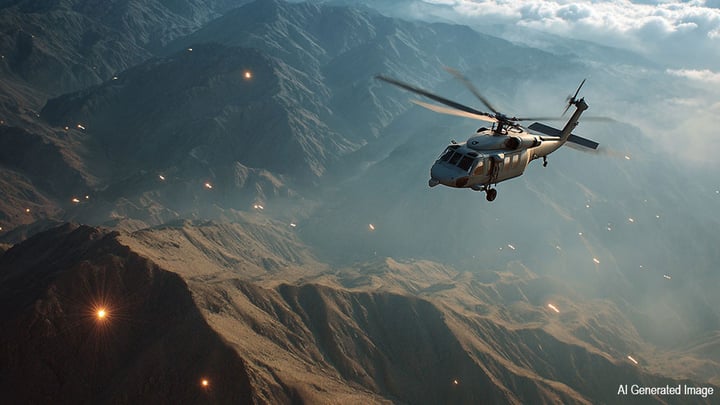
The year is 2005. The Iraqi elections are just six weeks away. The Royal Danish Air Force has been tasked with a critical mission: to secure and monitor one of the first free elections in the country’s history.
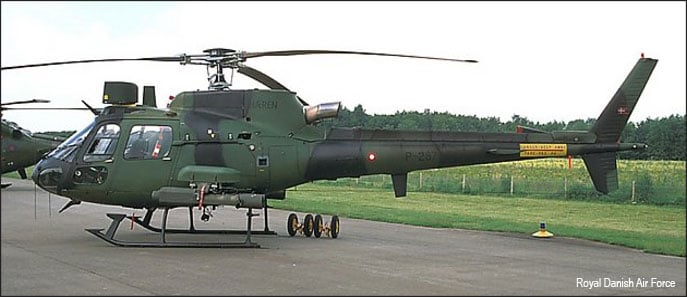
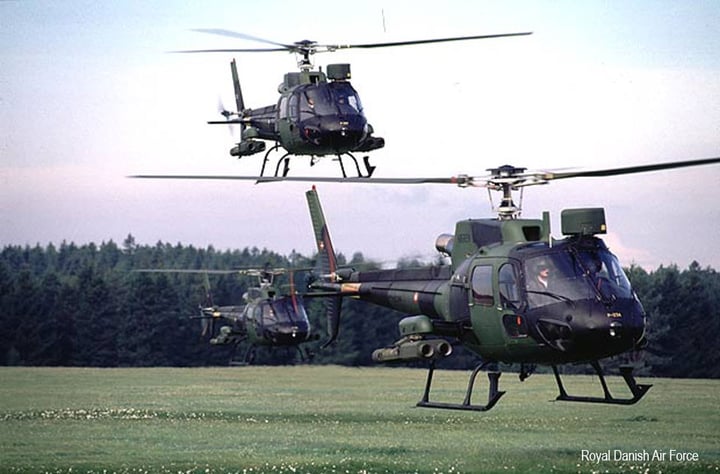
The AS550 Fennec - a lightweight, multipurpose helicopter - is selected for the mission. But there is a problem.
It lacks the protection needed to operate in a high-threat environment.
Without an electronic warfare suite, the aircraft and its crew are vulnerable to surface-to-air missiles, particularly those launched from MANPADS - one of the most prevalent and dangerous threats in the region.
With only six weeks until deployment, the clock is ticking.
How do you take an unprotected platform and make it survivable - fast?
### The Challenge Hasn’t Changed. The Urgency Has Only Increased
Fast forward more than 20 years, and the challenge remains.
From Ukraine to the Middle East and beyond, threats are evolving faster than traditional acquisition cycles can keep up. Helicopter fleets are still being asked to operate in contested environments—often with little time to prepare.
Operators today face the same fundamental question:
How do you deliver the right level of protection, at the right time, without waiting years for integration and certification?
The answer lies in designing for modularity.
## A Modular Approach to Survivability
Terma’s Modular Aircraft Survivability Equipment (MASE) was developed to address exactly this challenge.
With more than 30 years of experience in electronic warfare system integration, Terma has combined proven Electronic Warfare (EW) technologies with modular pod and pylon solutions for both fixed- and rotary-wing aircraft.
At the core of this approach is flexibility.
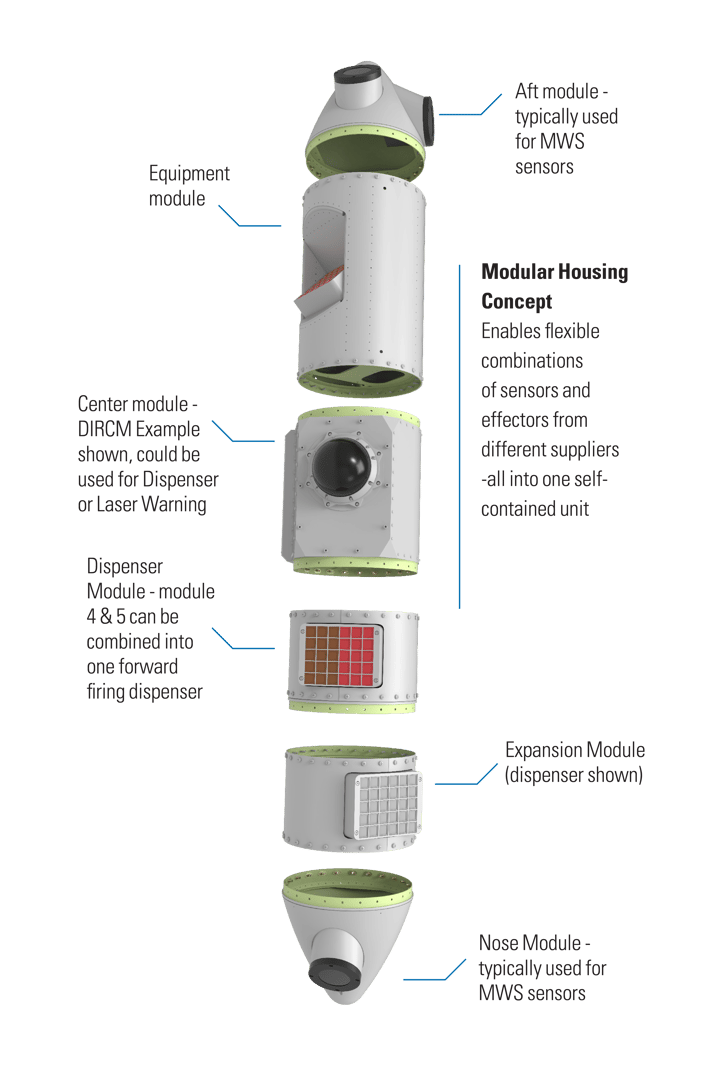
The modular configuration allows operators to tailor their electronic warfare suite to specific mission requirements - without being locked into a single sensor or effector provider. Through the ALQ-213 Electronic Warfare Management System, operators can integrate and control a wide range of defensive systems, including:
- Missile Warning Sensors (MWS)
- Hostile Fire Indicators (HFI)
- Laser Warning Receivers (LWR)
- Radar Warning Receivers (RWR)
- Chaff and flare countermeasure dispensing systems
- Directed InfraRed CounterMeasure System
Because the system is both sensor-agnostic and platform-agnostic, it enables a common and interchangeable architecture across fleets - reducing integration complexity, lowering initial investments and lifecycle costs, and increasing operational flexibility.
Just as importantly, survivability equipment is no longer tied to a single aircraft.
It can be shared, scaled, and rapidly deployed across the flightline - or even across allied fleets.
## From Concept to Reality: The Fennec Mission
This modularity is exactly what made the Danish Fennec mission possible.
At the time, the Royal Netherlands Air Force was already operating Terma lightweight survivability pods on their Apache helicopters. These pods were equipped with missile warning sensors and Terma’s advanced countermeasure dispensing system - precisely the capabilities needed to counter MANPADS threats.
In support of the Danish mission, these pods were transferred to the Royal Danish Air Force.
What followed was a demonstration of rapid integration at its best.
Within just six weeks, Terma’s integration specialists adapted the system for the AS550 Fennec. This included:
- Designing and installing wiring harnesses connecting the pods to the aircraft and cockpit
- Adapting ALQ-213 software to manage the integrated sensors and countermeasures
- Completing mechanical integration of the pods onto the Fennec
- Recertifying the aircraft and proving airworthiness
The result: a fully operational, combat-ready survivability solution delivered in time for mission deployment.
But beyond speed, this story highlights something equally important, interoperability.
A capability developed for one nation’s platform was rapidly adapted to support another ally’s mission.
In today’s coalition-driven operations, that level of flexibility is a necessity.
## Scaling Survivability: The NH90 Case
This same modular philosophy has been applied at scale with the Royal Netherlands Air Force NH90 fleet.
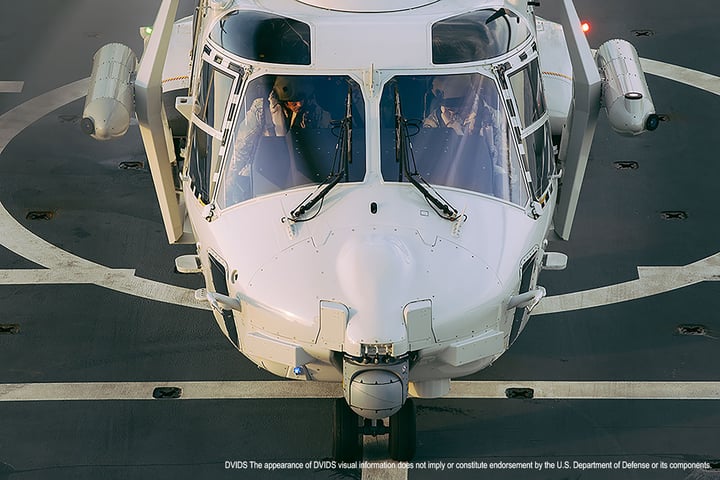
The NH90 operates in one of the most demanding environments - maritime missions launched from naval frigates. These operations require systems that are not only effective against threats but also robust enough to withstand harsh saltwater conditions, while remaining easy to maintain in constrained onboard environments.
In 2012, Terma conducted a survivability study to determine the most effective way to protect the NH90 against infrared-guided missile threats, with a focus on achieving full 360-degree coverage.
The solution combined:
- MILDS-F Missile Warning System
- Terma’s Advanced Countermeasures Dispensing System
- The ALQ-213 Electronic Warfare Management System
Together, these systems provide a highly effective, integrated defense against infrared threats.
Missile warning sensors detect incoming threats in real time, while countermeasures are automatically deployed to defeat them - all coordinated through the ALQ-213 controller.
Crucially, this capability is delivered within a compact, lightweight, and durable pod, minimizing impact to the aircraft while maximizing operational flexibility.
And because the architecture is modular, the system is future-ready - capable of integrating additional capabilities such as DIRCM, radar warning, or laser warning systems as mission requirements evolve.
### 
## Designing for What Comes Next
What connects these two stories - separated by mission, platform, and time - is a common principle:
Survivability must be adaptable.
Modular architectures allow operators to move faster, integrate smarter, and evolve continuously.
They enable:
- Rapid fielding of proven capabilities
- Flexibility to integrate preferred sensors and effectors
- Reduced integration risk and lifecycle costs
- Interoperability across fleets and allied forces
- Scalability to meet future threats
In an environment where threats are constantly evolving, survivability can no longer be treated as a one-time upgrade, but instead designed as an evolving capability.
## Looking Ahead to ILA Berlin
As European operators continue to evaluate how best to protect their helicopter fleets the need for flexible, rapidly deployable survivability solutions has never been greater.
At ILA Berlin this June, we look forward to engaging with operators, partners, and industry peers on how modular survivability solutions like MASE can help deliver protection when and where it’s needed most.
If you are attending ILA and want to explore how modular electronic warfare architectures can support your fleet - today and into the future - we welcome the conversation.
[](https://hubspot-cta-redirect-eu1-prod.s3.amazonaws.com/cta/redirect/25291867/b6789009-e520-4cb6-a1b7-38a03472f6f9)
## Our related posts
[See all posts](https://blog.terma.com)
#### [30. July 2026 Strengthening Europe Through Collaboration: Why the European Defence Fund Matters to Terma As Europe accelerates investment in defense innovation and technological sovereignty, the European Defence Fund is becoming a key vehicle for cross-border...](https://blog.terma.com/strengthening-europe-through-collaboration-why-the-european-defence-fund-matters-to-terma)
#### [28. July 2026 Farnborough 2026: The Defense Industry's Capacity Challenge Walking through London before the Farnborough International Airshow, one image was impossible to ignore. Ukrainian flags continue to fly from government...](https://blog.terma.com/farnborough-2026-the-defense-industrys-capacity-challenge)
#### [23. July 2026 What Is a Pylon on a Military Aircraft and Why Does It Matter? The pylon is often overlooked, yet it plays a critical role in how modern fighter aircraft carry weapons, sensors, fuel, and self-protection systems. Far more...](https://blog.terma.com/what-is-a-pylon-on-a-military-aircraft-and-why-does-it-matter)
- - [Ground-based solutions](https://www.terma.com/markets/ground/)
- [Naval solutions](https://www.terma.com/markets/sea/)
- [Airborne solutions](https://www.terma.com/markets/air/)
- [Space programs](https://www.terma.com/markets/space/)
- [Joint missions](https://www.terma.com/markets/joint-missions/)
- - [Products](https://www.terma.com/products/)
- [Capabilities](https://www.terma.com/capabilities/)
- [Services](https://www.terma.com/services/)
- [Downloads](https://www.terma.com/downloads/)
- - [Who we are](https://www.terma.com/who-we-are/)
- [Our responsibility](https://www.terma.com/who-we-are/our-responsibility/)
- [Apply for a job](https://www.terma.com/join-us/apply-for-a-job/)
- [News](https://www.terma.com/insights-events/news/)
[](https://www.terma.com/)
T: +45 8743 6000 [Addresses](https://www.terma.com/contact-us/)
[](https://www.linkedin.com/company/166334/) [](https://twitter.com/Terma_Global) [](https://www.instagram.com/terma_group/) [](https://www.youtube.com/channel/UCcnIbDCti4e68JSFd1XwGJA)
© 2026 TERMA. ALL RIGHTS RESERVED
- [Legal notice](https://www.terma.com/legal-notice/)
- [Privacy Policy](https://www.terma.com/privacy-policy/)
- [Contact webmaster](mailto:webmaster@terma.com)